
“Controversially, I like working for a utilities company. We are well funded and get to undertake projects that many other organisations would dream of.”
Amy Watsham, Assistant Nature Reserve Warden, Yorkshire Water, BSc Zoology 2014
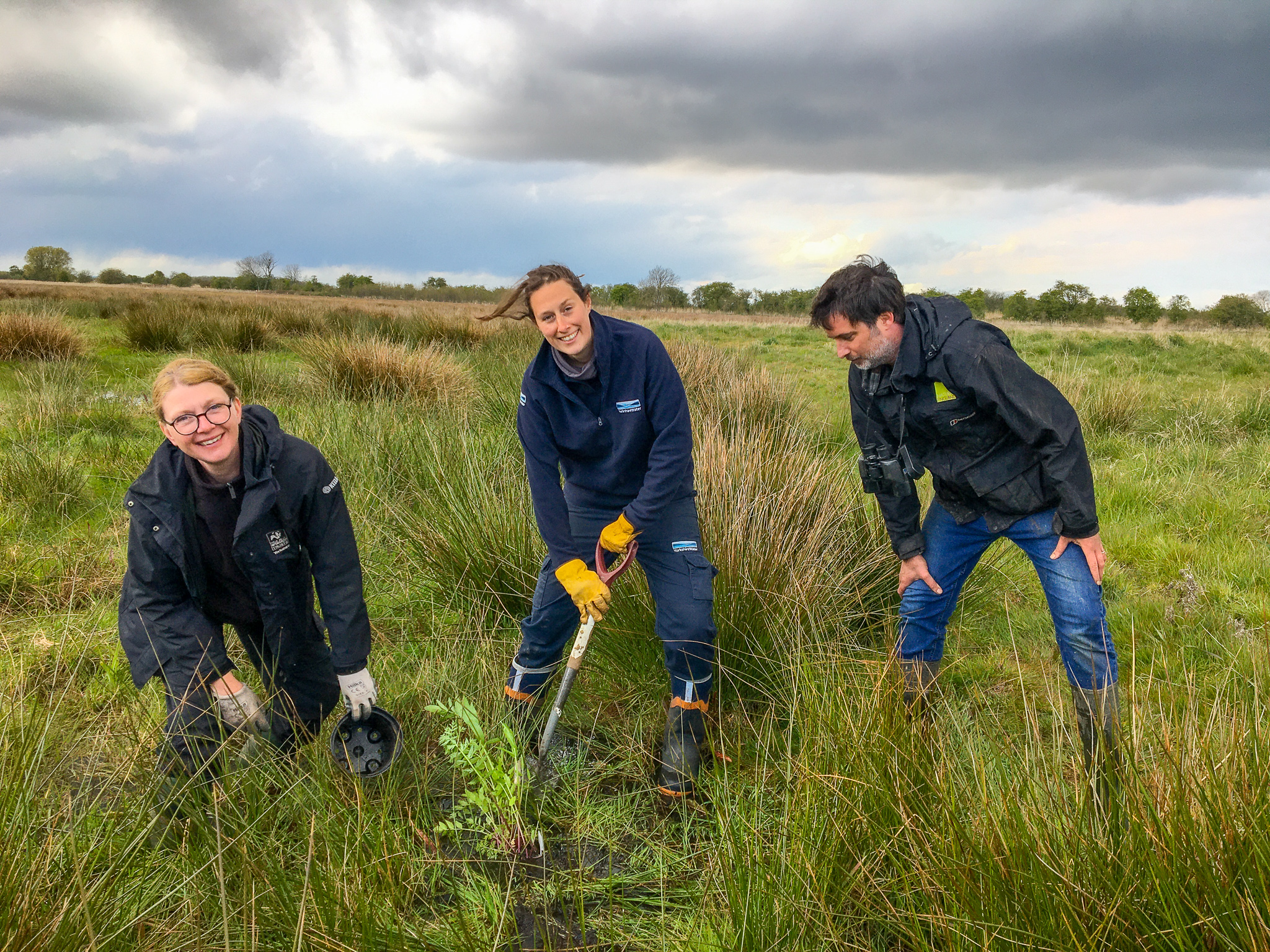
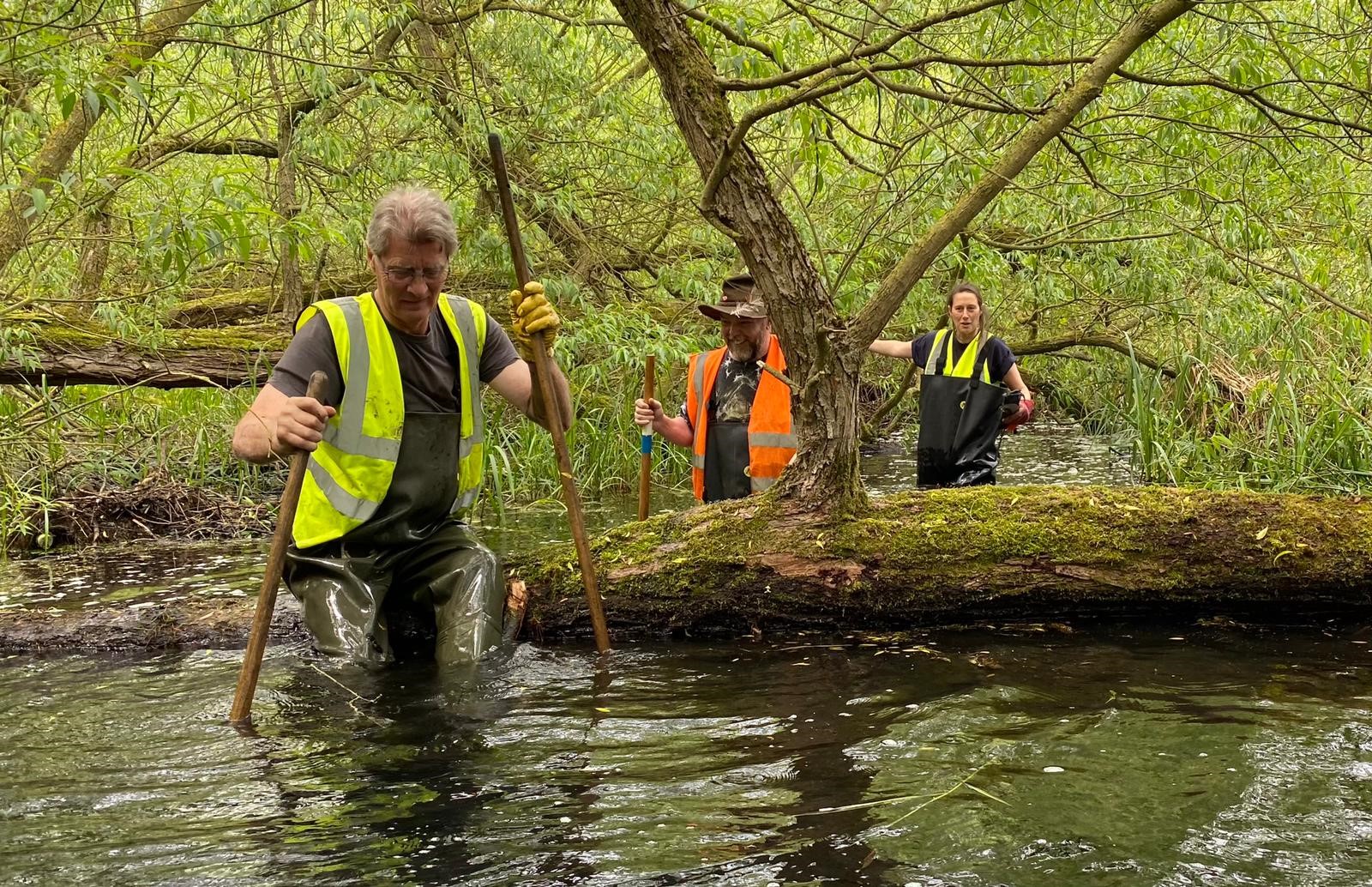
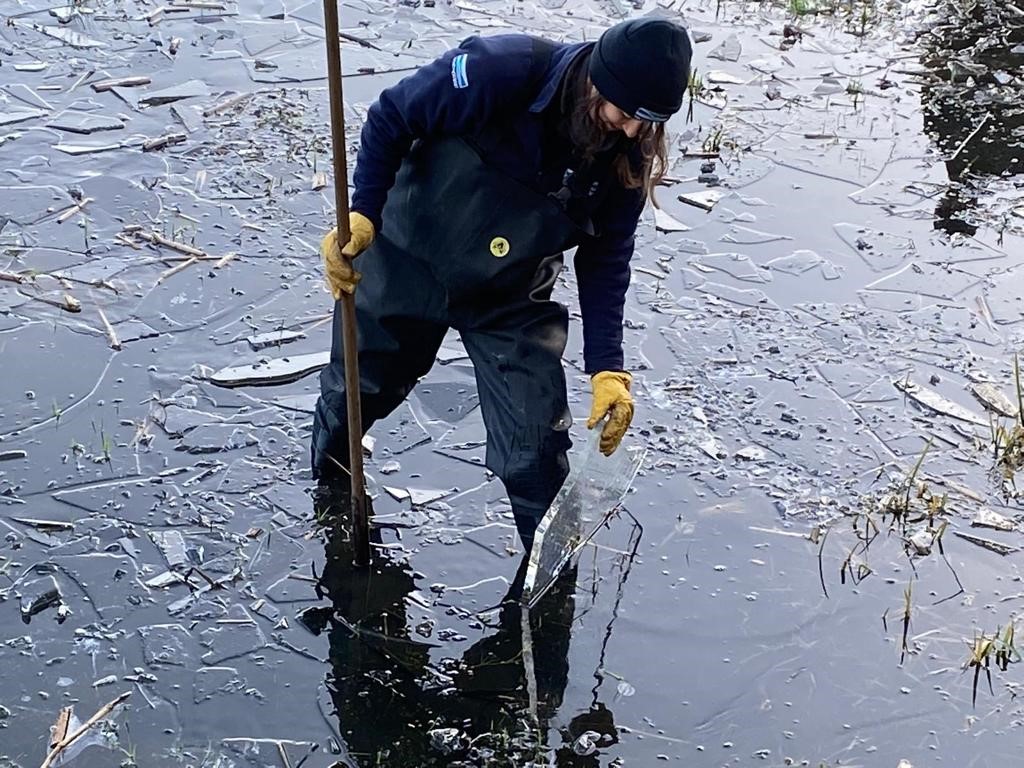
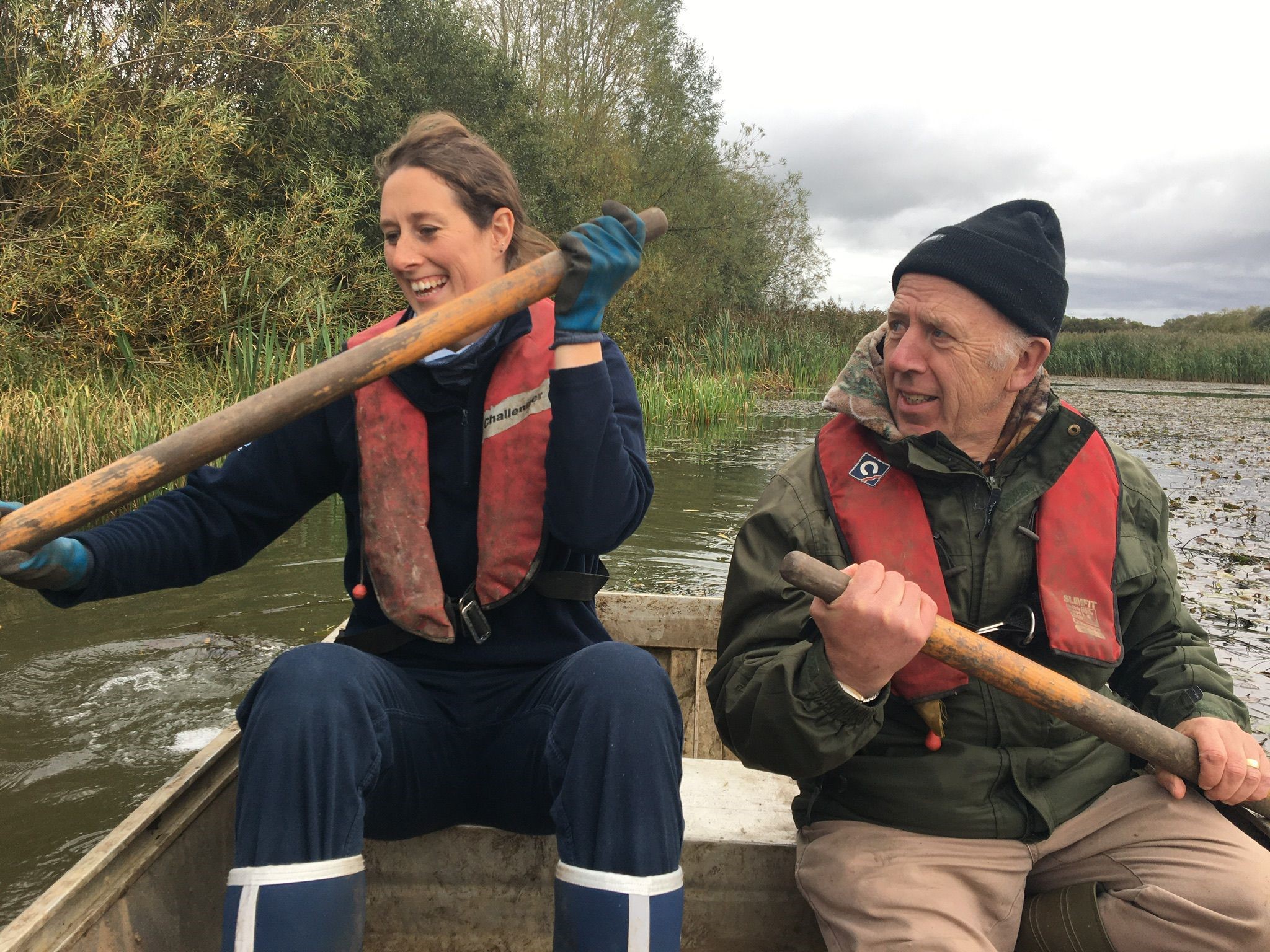
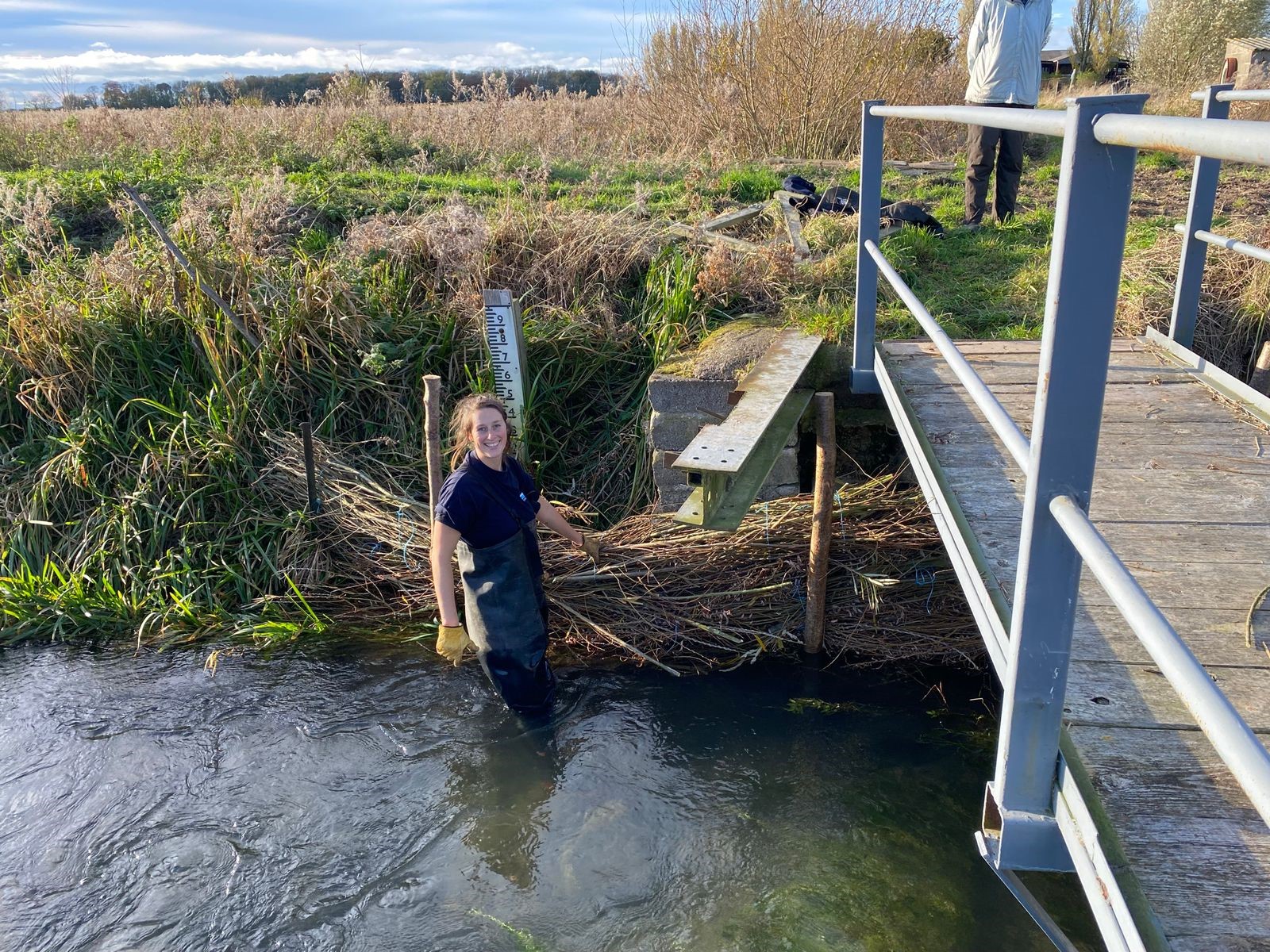
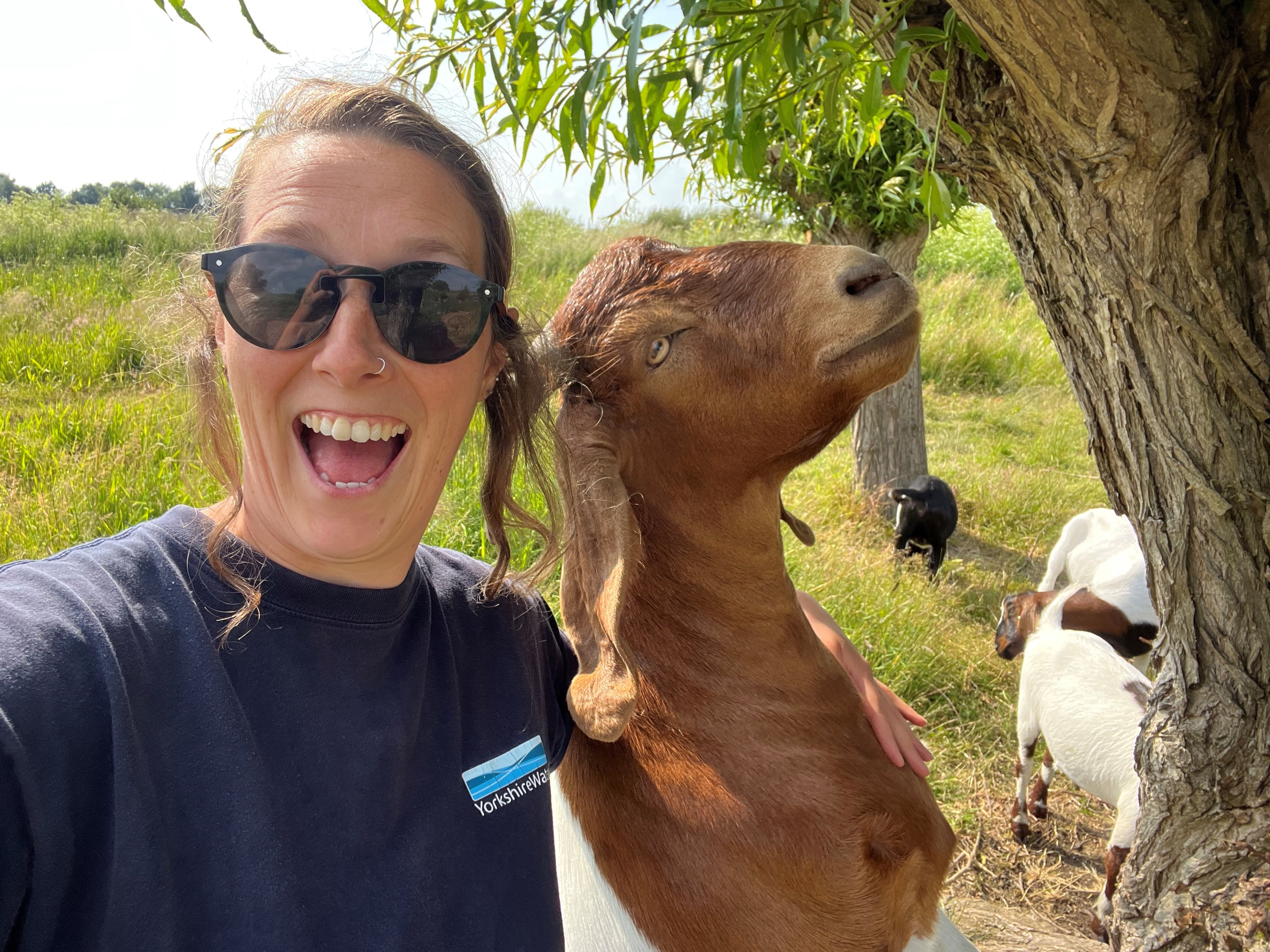
It’s a breath of fresh air finding out about Amy Watsham’s work as Assistant Nature Reserve Warden at Tophill Low Nature Reserve. Engaging people and helping them better understand wildlife, having an impact on the way that huge areas of land are managed to support the wildlife that they support, and making a tangible difference, Amy is also living her best life, as can be seen from the photos that she sent through showing what her job looks like in practice.
After meeting Amy at an event in which she shared her career story with students, we caught up with her to find out more about working in conservation and her tips on making the most of your career.
What do you most like about the job you do?
Connecting people with nature is by far the most rewarding part of the job. Most people who visit Tophill Low nature reserve are relatively new to the world of wildlife and have a shallow knowledge base, being able to show them rich, diverse habitats bursting full of red and amber listed species, in a place that is usually right on their door step is a magical moment.
If there’s one thing that you’ve learned from your studies and your work about nature and conservation what would it be?
Engaging people and their passions is the key to resilient and sustainable conservation. Whether its working alongside likeminded people, or trying to find common ground with stakeholders with conflicting interests, nothing will happen if you don’t create strong working relationships harnessing the passion of the people.
What attracted you to the course at Hull?
The variety of the course with the different module options, the lecturers that taught there and the fact the students union / student experience was in the top 3 in the UK at time. I knew I’d be learning some cool things with the modules available and that there was plenty going on around campus to make friends quickly and get stuck in.
How did Hull help prepare you for your chosen career?
Without a doubt, the varied modules I chose gave me a broad understanding of how diverse the conservation sector is. One particular module (evolutionary biology) really peaked my interest and inspired me to go traveling after graduating. By doing so, it opened up a few opportunities to get involved in some amazing conservation projects in New Zealand and Australia, one of them was a project that I referenced in several assignments which was an amazing privilege to be a part of it. Those experiences ultimately helped me get the job I have now.
What does an average day in your job look like?
It changes with each season, which is really nice. In spring and early summer we see lots of birds pair up and breed, coupled with the arrival of those migrating it creates a lot of energy and excitement which brings in lots of visitors so mostly, this time of year is spent interacting with members of the public, helping them get the most out of their visit. Late summer to autumn is when we slowly start undertaking habitat management activities. In July we start our annual hay cut, shortly after we’ve finished we introduce grazing stock so when we are on tractors, using brushcutters and raking hay we are checking the stock and fences to make sure they’ve settled in ok. In autumn the wader migration picks up so again, we see lots of visitors coming through to glimpse some of our rarer migrants which means we spend a lot of time spotting rarities on the marshes and studying the weather to try make the most of it. Then in winter we tackle our big habitat management projects, usually pollarding willow, coppicing hawthorn and hedge laying. Late winter to early spring we undertake a lot of the reedbed management work, clearing water margins to provide good habitat for our wetland birds. That’s if we aren’t in Leeds or Bradford in department meetings defining pretty sizable budgets!
What advice would you have for someone wanting to follow in your footsteps?
Try not to get caught up in the rush to get straight to work if you can afford to. I didn’t start university until I was 23, then I went travelling for 5 years and it wasn’t until I was in my 30’s I landed this ace job. The opportunity to explore and get involved in projects was inspiring and has made me more driven now I’ve settled back down in England. Career wise, taking a 5 year break between uni and work didn’t set me back at all. If anything it helped me get the job and even progress through my role quicker because I had lots of experience.
What do you most like about your job?
Controversially, I like working for a utilities company. We are well funded and get to undertake projects that many other organisations would dream of. In the 3 years I have held this position we have invested heavily in the reserve to enhance habitats and create incredible wildlife watching opportunities for the public. But it’s not all about the money. Working for the 3rd largest land owner in England, as 1 of 2 conservation specialists, means that I can have an impact over all their landholdings. I have the chance to positively influence Yorkshire Water’s conservation practices and policy and that help the company forward.
If there’s one thing that you’ve learned from your studies and your work about nature and conservation what would it be?
I guess that there are sooooo many different avenues to go down and you can go as far down them as you want. I wanted to keep my options open while I was studying so I didn’t get too zero’d in on one area of conservation. I’ve been able to carry that on in my career and I play an important role in a vast array of conservation projects across the region. Whether its developing innovative chalk wildflower meadow management projects, repopulating threatened wetland plants that are all but extinct across the river Hull valley, surveying red listed birds and mammals or getting inventive with conservation grazing there are so many things I have been able to get stuck into.
 University of Hull Alumni Association