
“Coming in to close contact with some of the UK’s protected species and knowing that something I am doing is having a positive outcome for them, even if only on an individual level, brings me immense job satisfaction.”
Jonathan Craven, Ecologist, FPCR, BSc Zoology, 2019
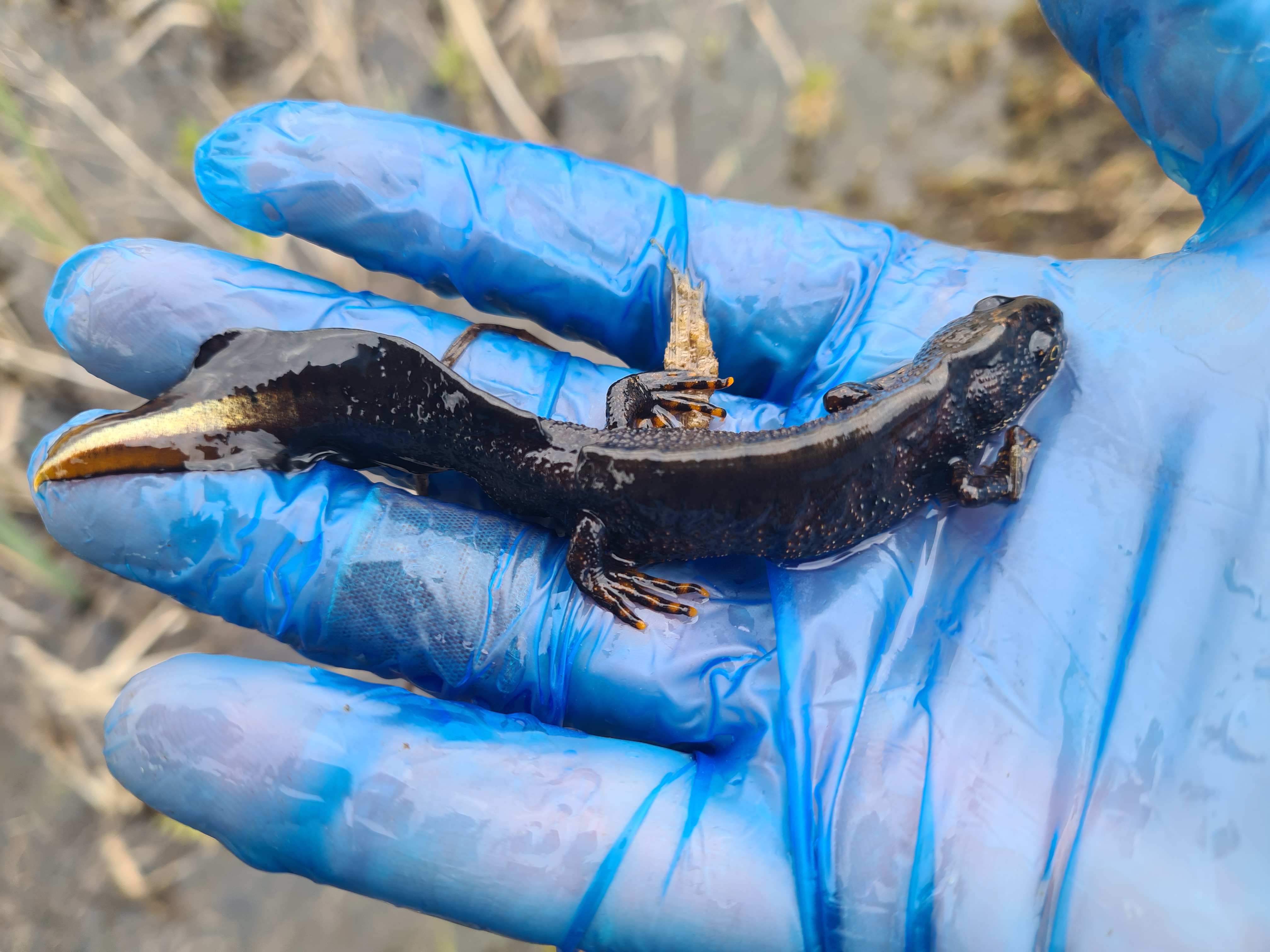
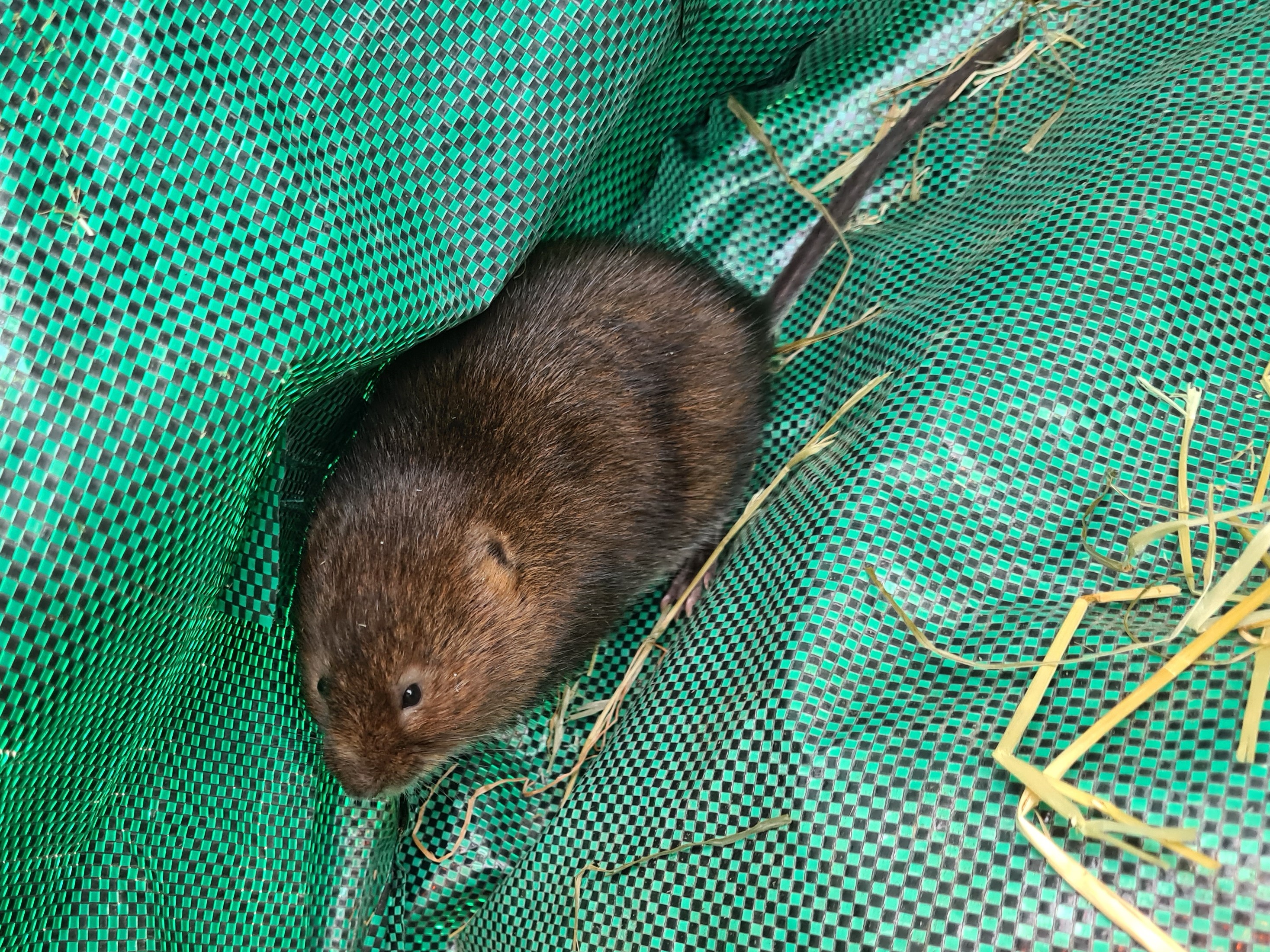
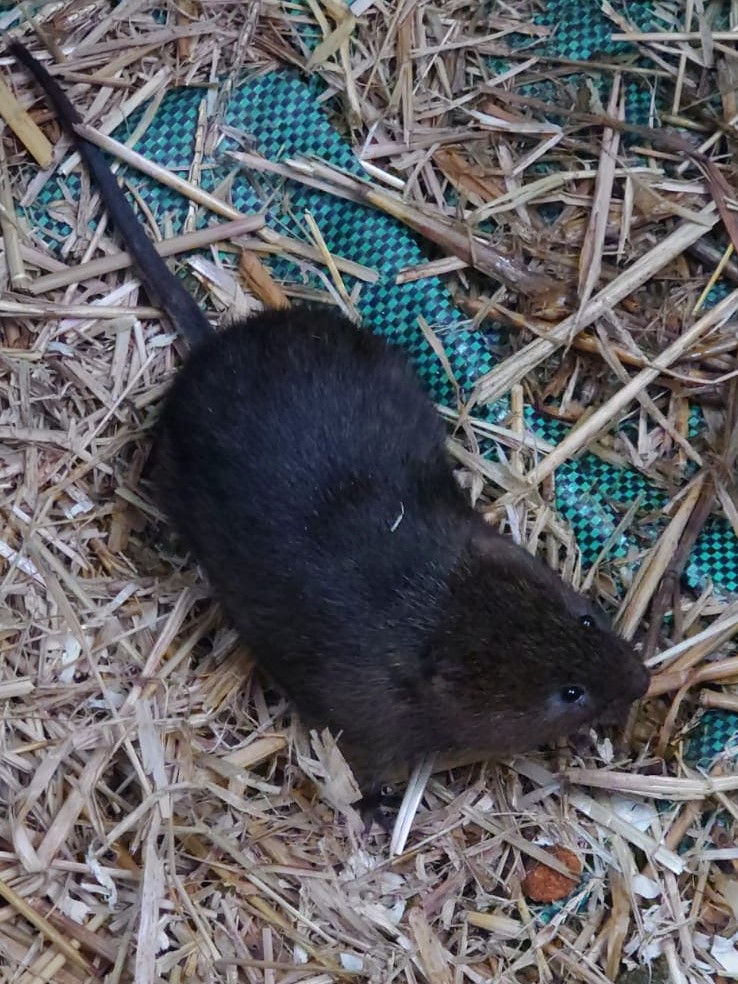
What does it take to work in Ecological Consultancy, and how do you make a difference? The answer might surprise you. Jonathan Craven talks to us about working in the great outdoors, making a difference, and what a career in ecology looks like. He also share with us some amazing photographs of some of the very cute animals he encounters in his job!
What do you most like about the job you do?
I like the variety of outside work it affords me during the spring/summer/autumn season, with the added advantage of more time indoors when it starts to get a bit cold in winter. The addition of coming in to close contact with some of the UKs protected species and knowing that something I am doing is having a positive outcome for them, even if only on an individual level, brings me immense job satisfaction.
If there’s one thing that you’ve learned from your studies and your work about nature and conservation what would it be?
That even within the conservation sector, quite often conservation isn’t the focus of what people would assume are ‘conservation’ roles. A lot of the industry is still under review, and there is ever so much to learn before we can hope to start doing conservation to the best of our ability.

What attracted you to the course at Hull?
The friendliness of the staff and attractiveness of the campus when I attended the open day for my admission year. It won me over against other universities that had a more ‘city based’ campus (such as Leeds, Sheffield and Nottingham) that felt less connected and therefore gave a perception that students/faculties are more distant from one another.

How did Hull help prepare you for your chosen career?
My entire basic understanding of biological science, the scientific method, and critical thinking came from the university. Having a background career in IT, critical thinking was not at the forefront of my skillset, something which is completely invaluable now in my career.

What does an average day in your job look like?
An average day during survey season (March to October) will have me onsite performing protected species surveys, or participating in mitigation works. This can consist of a variable distance drive, followed by a long day of trudging through ditches carefully looking for signs of water voles, strimming and clearing vegetation to promote displacement of species such a voles/badgers, surveying trees by looking for evidence of bats or bat roosts, or something a little more sedentary, like overseeing the removal of roofing tiles from building restoration works in case any bats are found and I need to manually remove them to protect them from harm.
During the off season (Nov – Feb) most of my days are made up of varying paperwork exercises such as planning mitigation projects for the coming season, assisting in the maintenance of equipment, creating GIS plans for reports, and the production of Ecological Appraisal, Habitat Regulation Assessments, and Ecological Impact Assessments (in my opinion, the boring stuff!)
What advice would you have for someone wanting to follow in your footsteps?
Skills wise, learning to drive is absolutely key for breaking into ecological consultancy. On an academic side, the most useful skill that can be obtained (and is treasured by eco consultants) would be GIS skills – these can give you the edge over other applicants looking to break into the industry.
Another, which I am against but understand that it is still a standard, is volunteering. But rather than just volunteer anywhere, narrow it down to contacting a local bat group (of which there are many) and volunteering on bat surveys. They will use similar (if not exactly the same) techniques we use in consultancy, and again will give a big leg up when it comes to applying for seasonal or full-time positions as an assistant. Another advantage, is as these are voluntary groups, they will often provide group transport so can be undertaken by those without a driving licence or car of their own yet.
Joining CIEEM as a student which is only about £30 for the year, looks good on the CV and can start them learning the development framework required to progress in the profession. More and more contracts are being issued with CIEEM requirements to the industry, and there is a major drive within eco consultancy to have individuals recognised within the organisation. If you start with an understanding of how CPD can be recorded and used within CIEEMS online tools to advance up their ladder, it’s a massive leg up career wise down the road.
Once you are in as a seasonal assistant with a company AGREE TO EVERY OFFER OF A SURVEY no matter how far or inconvenient. It will mean a lot of long nights, and some physically tiring days, but not only will it earn you more money, but will show a willingness to participate that will definitely be remembered when the full time/permanent positions are reviewed at the end of the survey season.
 University of Hull Alumni Association