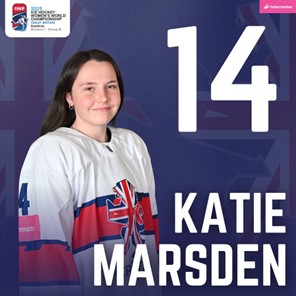
Medicine can sometimes feel like a constant race, and it’s easy to compare yourself to others. Try to stay focused on your own journey — everyone’s path looks different. If you’re an elite athlete, you already have the tools to excel: time management, discipline, self‑motivation. And above all, don’t neglect sleep or nutrition. Your body will thank you later!
Katie Marsden, Medicine, 2025
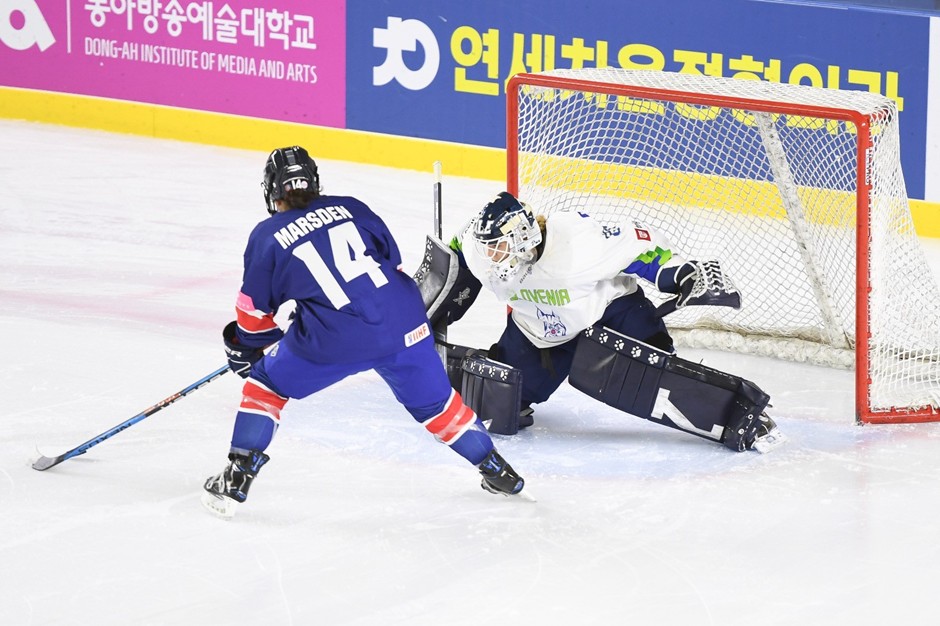
From Katie Marsden’s first steps onto the ice at the Hull Arena to competing on the world stage with Team GB, this alumna’s journey has been extraordinary! What began as childhood curiosity quickly became a lifelong passion — one that took her from Hessle to Canada at just 13, through a neuroscience degree in the United States, and finally back to the University of Hull to pursue medicine at HYMS, graduating in July 2025. Today, Katie continues to balance the demands of elite sport with the responsibilities of a doctor, all while inspiring the next generation of athletes and medical students.
In this interview, she reflects on the pivotal moments, challenges, and triumphs that have shaped her path so far.
How did you first get started playing ice hockey in Hull?
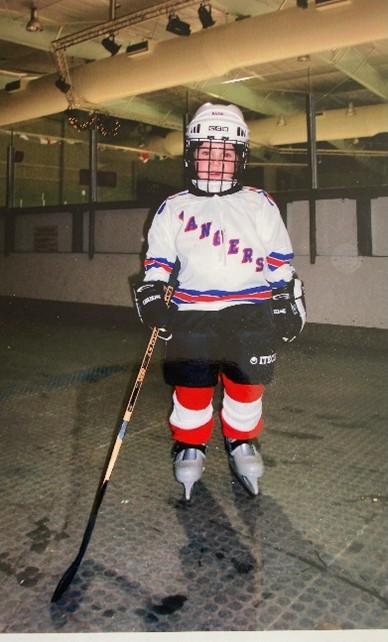
My grandparents took me to a pantomime on ice at the Hull Arena, and after that I was desperate to try ice skating myself. My brother and I began with figure skating lessons but quickly realised it wasn’t for us. He then tried ice hockey — and I followed him. I was about four years old and training with the U10 boys’ team, so it was years before I played in a real game. But we both fell in love with the sport immediately, and that was the start of everything.
You moved from Hessle to Canada on a hockey scholarship at just 13. What was that experience like, and how did it shape you?
I was incredibly fortunate to be offered the chance to attend a hockey boarding school in Canada. At 13, it was terrifying to leave my family and friends, but their support gave me the strength to go. Hockey-wise, it was an unbelievable experience — I was training and competing among some of the best players in the world, which pushed me to grow as both an athlete and a person.
Academically and socially, boarding school was very different from life in Hessle. Living in a dorm with teammates and classmates helped me build friendships like no other. I was quite shy before moving to Canada, and the experience really helped me become more confident and outgoing.
How did it feel to be selected to represent Team GB?
I was first selected when I was 15, and I remember feeling incredibly proud that all the hard work and sacrifices had paid off. More than ten years later, the honour of representing my country still feels just as special.
What has been your standout moment playing for Team GB so far?
There have been so many, but two moments stand out. Winning gold at the 2022 World Championships was very special. But the Olympic Qualifying event in Nottingham in 2021 probably tops it. We were playing in front of thousands of people, with friends and family in the stands. Even though we didn’t qualify, the atmosphere was unforgettable.
After time in Canada and a neuroscience degree in the US, what inspired you to return to Hull to study Medicine at HYMS?
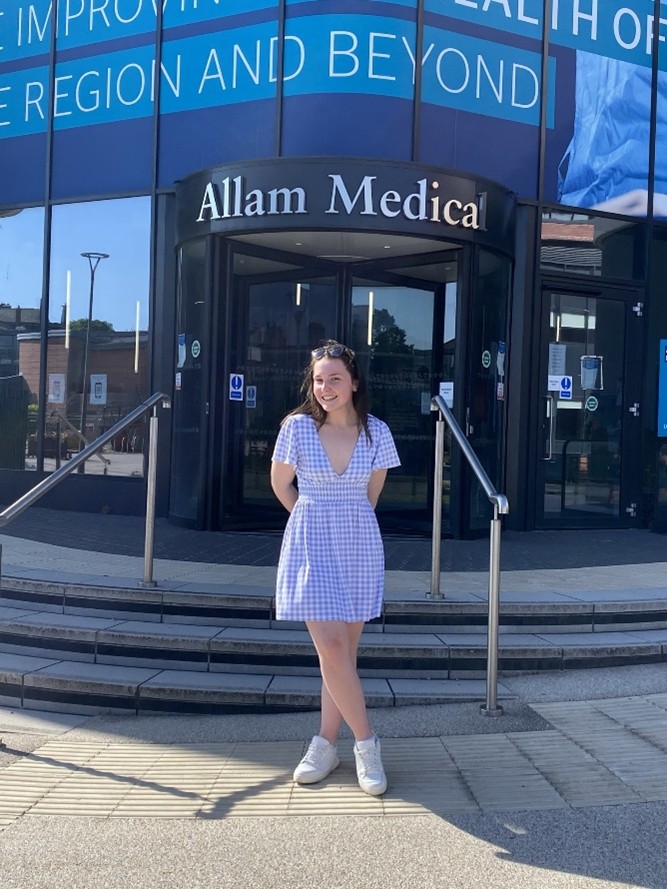
My journey toward medicine began while studying neuroscience at Trinity College in Connecticut. I’d always considered healthcare, but during my studies I explored both clinical and non‑clinical pathways and found myself drawn to patient-facing work. I also had an injury that required surgery, and the care I received from the medical team really reinforced my desire to become a doctor.
When deciding where to apply for medical school, I realised that this journey would root me in one place for a long time — and I wanted to be closer to my family in Hessle. HYMS felt like the right choice, and being accepted was one of the best things that’s ever happened to me.
Balancing medical school with international hockey is no small task. How did you manage both?
It was definitely challenging, and I won’t pretend otherwise. But years of being a student‑athlete had already taught me discipline, organisation, and resilience. Those skills helped me enormously. Even so, I wouldn’t have been able to do it without my family’s constant support — they’ve been there from the very beginning.
What advice would you give to young players hoping to follow a similar path in women’s ice hockey?
We are lucky to be living in a time where women’s sport is growing rapidly. The progress I’ve seen even during my own career is amazing, and I hope young girls can see that it’s possible to pursue both sporting and academic goals.
Women’s ice hockey is in an especially exciting place right now — with the success of the PWHL, there’s more visibility and opportunity than ever. My advice is simple: enjoy every second on the ice, give it everything you have, and be a great teammate. Your teammates really do become your family.
And what one piece of advice would you give to prospective medical students hoping to follow a similar path?
Medicine can sometimes feel like a constant race, and it’s easy to compare yourself to others. Try to stay focused on your own journey — everyone’s path looks different. If you’re an elite athlete, you already have the tools to excel: time management, discipline, self‑motivation. And above all, don’t neglect sleep or nutrition. Your body will thank you later!
Katie’s story is one of courage, commitment, and resilience. From her earliest days on the ice in Hull to representing her country on the world stage — all while pursuing a demanding educational pathway — Katie embodies the spirit of determination that inspires so many within our alumni community. As she continues to build her medical career while competing for Team GB, her journey serves as a powerful reminder that with passion, support, and belief in your own path, extraordinary things are possible.